Poolside Playlist Power: Why the Music at Your Resort Matters More Than You Think
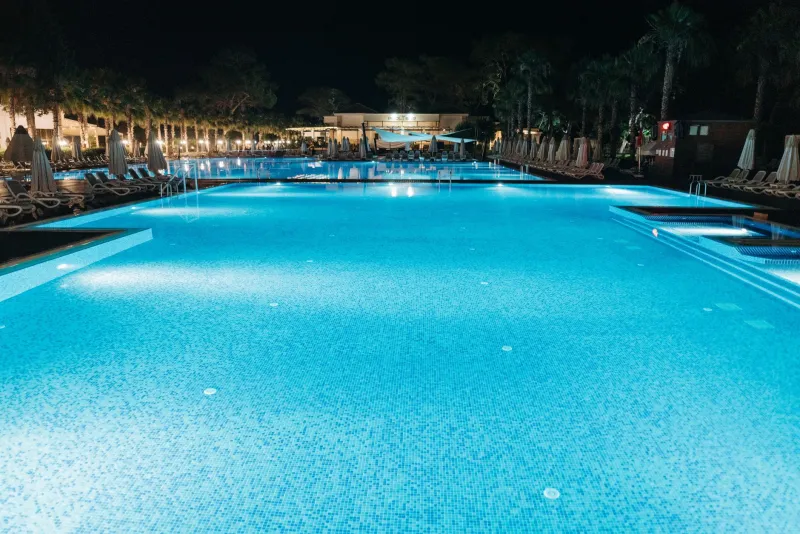
Close your eyes for a second and picture your ideal pool day. You're floating on a lounger, sun warming your face, a cold drink sweating in your hand. Now — what's playing in the background? Chances are, you heard something in that mental image. Maybe it was soft reggae, a low-key lo-fi beat, or a classic summer pop hit. Whatever it was, it wasn't silence. And that's kind of the whole point.
Ambient sound is one of the most underrated ingredients in the resort experience. Hotels and resorts spend serious money on the look of their pools — the tile work, the landscaping, the cabana cushions — but the sonic atmosphere? That's often where the real magic (or misery) happens. At Shiroyama Pool & Resort, we've thought a lot about what makes a poolside soundtrack work, and we're breaking it all down for you.
The Science Behind Why Music Hits Different Outside
There's actual research behind this. Studies in consumer psychology have consistently shown that background music affects how people feel, how long they stay somewhere, and how much they enjoy their overall experience. At a resort pool, where the whole goal is relaxation and fun, that effect gets amplified.
Outdoor acoustics behave differently than indoor ones. Sound dissipates faster in open air, which means music needs to be layered thoughtfully — not just blasted louder. When done right, the music feels like it's around you rather than at you. When done wrong, it sounds like a neighbor's party you weren't invited to.
Tempo matters, too. Research from the British Journal of Psychology found that slower music encourages people to slow down and linger, while faster tempos create energy and movement. A resort pool that wants guests to unwind in the afternoon will often dial down the BPM after the lunch rush — and that's very much intentional.
What Resort Music Managers Are Actually Thinking
If you've ever wondered whether someone is curating that poolside playlist or just hitting shuffle on Spotify, the answer is almost always the former — at least at well-run resorts.
Many mid-to-large resorts work with hospitality music services like Mood Media or Cloud Cover Music, which specialize in creating branded soundscapes for specific venues and times of day. These aren't just vibes — they're strategies.
The general philosophy breaks down into time blocks:
- Morning (opening to noon): Softer, more ambient tracks. Think acoustic covers, light jazz, or mellow indie pop. Guests are easing in, families are setting up, and the energy is low-key.
- Midday to mid-afternoon: The tempo picks up. Upbeat pop, tropical house, or feel-good throwbacks create energy during peak swim hours.
- Late afternoon: Things mellow out again. Sunset-adjacent vibes, reggae, bossa nova, or chill electronic music help guests transition from active to relaxed.
- Evening (if the pool stays open): Depends on the venue. Party pools go full DJ-set energy; family resorts tend toward low-key acoustic or ambient electronic.
The goal is always the same: match the music to the moment so guests feel like everything is flowing naturally — even if they can't explain why.
The Playlist Crimes That Ruin a Pool Day
Not every resort gets this right. We've all been poolside when the music goes sideways, and it's worth naming what actually makes a bad poolside soundtrack.
Volume miscalibration is the big one. Music that's too loud becomes stressful — you can't have a conversation, kids get overstimulated, and the whole relaxing-vacation thing falls apart. Too quiet, and it might as well not exist, leaving guests with nothing but the sound of other people's conversations and splashing kids.
Tonal mismatch is another common mistake. Heavy metal at a family pool. Nursery rhymes at an adults-only retreat. Christmas music in July (it happens). These aren't just bad calls — they actively disrupt the mental picture guests have built of their vacation.
Repetition is sneaky but brutal. A playlist that loops every 45 minutes will have guests noticing by hour two. By hour four, that one song they kind of liked is now their enemy.
Lyrical content matters more than people realize. Explicit lyrics — even in a banger of a song — can create awkward moments for families, and resorts that don't filter for this end up with uncomfortable situations poolside.
How to Build Your Own Perfect Pool Soundtrack
Whether you're planning a backyard pool party, a lake trip, or just want to recreate that resort feeling at home, building a great poolside playlist is genuinely achievable. Here's how to approach it:
Start with a mood anchor. Pick three or four songs that absolutely nail the vibe you're going for. Tropical? Laid-back? High-energy summer party? Let those tracks define the emotional center of your playlist and build outward from there.
Keep the tempo consistent within blocks. If you're going for chill, don't let an upbeat track sneak in and jolt everyone out of their relaxation. Arrange your playlist so the energy shifts gradually rather than jarringly.
Aim for 3–4 hours of music minimum. Repetition kills the vibe. For a full pool day, you want enough variety that nothing feels like it's on loop.
Consider instrumental-heavy sections. Pure instrumentals — lo-fi beats, bossa nova, acoustic guitar — are crowd-pleasing and sidestep the lyrical content problem entirely. They also tend to fade into the background in the best way possible.
Test your volume before guests arrive. What sounds right when you're standing next to the speaker will sound very different when the pool is full of people, splashing water, and ambient conversation. Aim for a level where two people can chat comfortably without raising their voices.
Some great starting points for poolside playlists on Spotify and Apple Music include searches like "tropical house," "poolside jazz," "summer chill," or "beach day vibes." Dozens of pre-built playlists exist for exactly this purpose — you don't have to start from scratch.
The Shiroyama Take
Here at Shiroyama Pool & Resort, we think about sound the same way we think about water temperature or lounge chair comfort — it's not an afterthought, it's part of the experience. A great pool day is a full sensory thing, and the music playing softly (or not so softly) in the background is doing more work than most guests realize.
So next time you're settling into your poolside spot and you notice the playlist is just right — that's not an accident. Someone thought about that. And if you're building your own setup at home, now you know how to think about it too.
Good music doesn't make itself heard. It makes everything else feel better.