Why Does a Pool Day Cost So Much? Breaking Down What You're Really Getting for Your Money
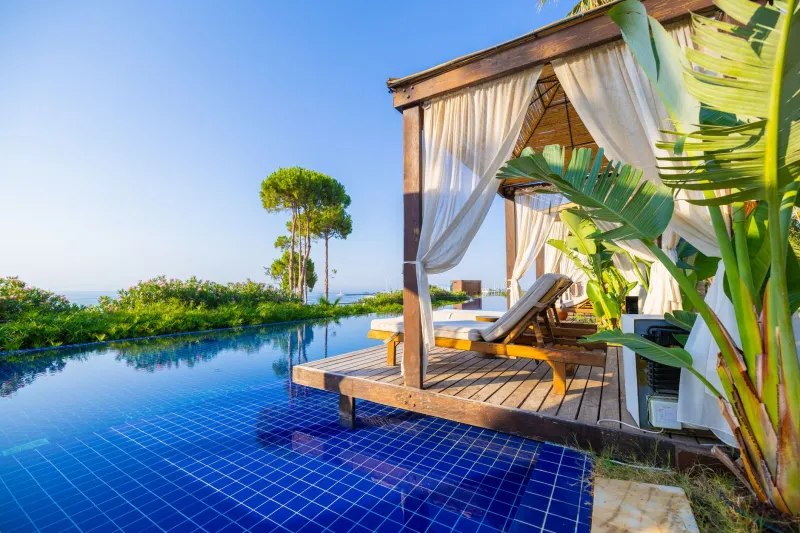
Let's be honest: sticker shock at the resort pool gate is practically a vacation tradition at this point. You've budgeted carefully for flights, hotels, and meals — and then you see the day-pass fee or the cabana rental price, and suddenly you're doing mental math in the parking lot.
But here's the thing: resort pool pricing isn't arbitrary. There's a whole ecosystem of costs, staff, and infrastructure running behind the scenes that most guests never see. Understanding what actually goes into that price tag can genuinely change how you evaluate your options — and help you figure out where your family's vacation dollars will stretch the furthest.
The Staffing Iceberg
When you walk into a well-run resort pool, you probably notice a lifeguard or two, maybe a towel attendant, and a server taking drink orders from a lounge chair nearby. What you don't see is the scheduling, training, and certification costs that make all of that possible.
Certified lifeguards in the US aren't just warm bodies with a whistle. They go through Red Cross or YMCA certification programs, and many resorts require additional water park or shallow-water certifications depending on the facility layout. That training costs money — and so does keeping those certifications current. High-end resorts often staff at ratios well above the minimum required by state regulations, which means more eyes on the water and faster response times. That's not a luxury. That's peace of mind you're quietly paying for.
And beyond the lifeguards, there's the guest services team, the pool attendants restocking sunscreen stations, the maintenance crew who showed up at 5 a.m. to skim the surface and balance the chemicals before your kids cannonballed in. You never meet most of these people, but they're very much part of what makes a premium pool experience feel effortless.
Water Quality Isn't Cheap to Maintain
A pristine, crystal-clear pool doesn't happen by accident. Commercial pool chemistry is genuinely complex, and the equipment required to maintain it at scale — especially in a resort environment with hundreds of swimmers daily — represents a significant ongoing investment.
High-volume resort pools often run UV filtration systems alongside traditional chlorine treatment, which reduces the harshness of chemicals while keeping the water sanitary. Some facilities have moved toward saltwater systems or ozone-based purification, all of which cost considerably more to install and operate than a basic chlorine setup. Then there's the constant testing, the chemical adjustments, the filter cleaning cycles, and the periodic partial drains for deep cleaning.
When a budget motel pool looks a little murky or smells like a chemistry lab, that's usually a sign that corners are being cut somewhere in this process. A resort that charges more is often — not always, but often — investing in a water quality standard that's noticeably better for your skin, your eyes, and your overall comfort.
What Luxury Amenities Actually Cost (And Who's Paying)
Cabanas, poolside food and drink service, reserved loungers, towel programs, waterslides, swim-up bars — these aren't just nice-to-haves. Each one represents a capital investment and an ongoing operational cost that gets built into the overall pricing model of the resort.
Take a cabana rental, for example. That shaded structure didn't appear overnight. It was designed, permitted, built, and furnished — and it requires regular cleaning, maintenance, and restocking between guests. The attendant who checks on you every half hour? That's a labor cost. The complimentary fruit plate? Food cost. The branded towels? Laundry and replacement budget.
None of this is meant to make you feel guilty for wanting a deal. It's just a reminder that when two resorts offer what looks like the same experience at very different price points, something is different. Sometimes it's profit margin. But often, it's the depth of investment in what you're actually experiencing.
Where Budget Resorts Cut Corners (And When It Matters)
Not every cost-saving decision at a lower-tier resort is a red flag. Fewer poolside food options? Fine — you can grab lunch elsewhere. Towels you bring from your room instead of a dedicated towel service? Totally manageable.
But there are areas where budget cuts become genuinely relevant to your experience and safety. Staffing ratios are one. Chemical maintenance schedules are another. The condition of pool surfaces, the functionality of drains and filtration systems, the cleanliness of restrooms and changing areas — these things directly affect your family's health and comfort, and they're often where the real differences between resort tiers show up.
If you're traveling with young kids or anyone who's a less confident swimmer, the staffing and safety infrastructure at a higher-end facility isn't a splurge. It's a practical consideration.
How to Evaluate Whether the Price Is Actually Worth It
So how do you decide if a premium pool experience is worth the extra spend? A few questions worth asking before you book:
What's the guest-to-staff ratio? More staff generally means better service and safer conditions. Look for resorts that are upfront about their lifeguard coverage.
What's included in the base price? At some resorts, towels, loungers, and basic amenities are bundled in. At others, they're all à la carte. Do the math on what you'd actually use.
What do recent reviews say about maintenance and cleanliness? Photos can be misleading, but a pattern of comments about murky water or equipment in disrepair is worth taking seriously.
Is there a difference in the pool layout or programming? Lap lanes, kids' splash areas, adult-only sections, and scheduled activities all add genuine value for specific types of travelers. A family with a 6-year-old and a family of adults looking for a quiet afternoon have very different needs.
The Value Equation Is Personal
At the end of the day, the "right" resort pool experience is the one that fits your family's priorities — not just your budget, but how you actually want to spend your time. Some families are perfectly happy with a clean, simple pool and basic amenities. Others want the full experience: the cabana, the swim-up bar, the waterslide, the attentive service.
What matters is going in with clear eyes about what you're paying for. A higher price tag at a well-run resort isn't padding someone's profit. It's funding the infrastructure, the people, and the operational standards that turn a good pool day into a genuinely great one.
And if you've ever spent a vacation afternoon in a beautifully maintained pool, perfectly clear water, cold drink in hand, kids laughing nearby with a lifeguard keeping watch — you already know that some things are worth every penny.