The Insider's Guide to Timing Your Resort Pool Visit Like a Pro
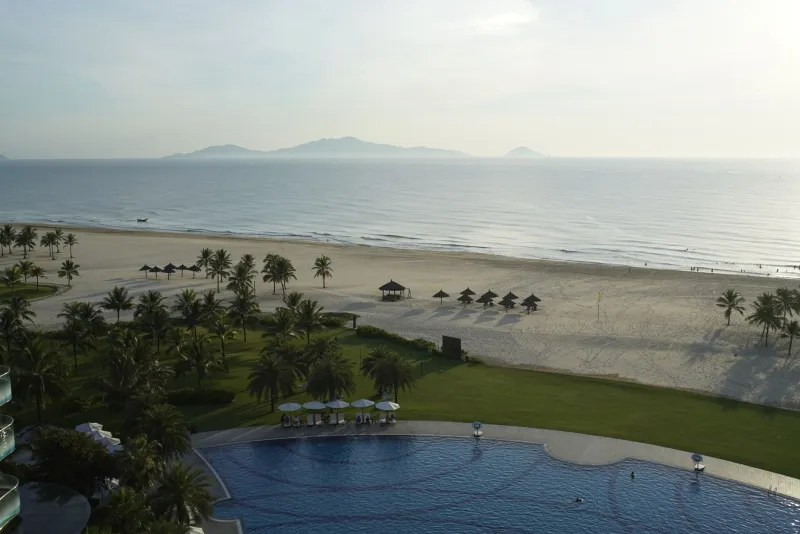
There's a version of the resort pool experience that looks like a travel magazine spread: turquoise water, open loungers, a handful of happy guests, drinks arriving promptly, space to actually swim. And then there's the version where you spend 20 minutes circling the deck looking for two adjacent chairs, wait 35 minutes for a server to find you, and spend your afternoon pressed shoulder-to-shoulder with 200 strangers.
The difference between those two experiences is often not the resort. It's the timing.
Most travel advice stops at "visit during shoulder season." That's fine advice, but it's also vague enough to be nearly useless. What actually makes certain weeks, days, and hours dramatically better or worse at a resort pool? Let's get specific.
Understanding the Big Seasonal Patterns
Before we get into the granular stuff, it helps to understand the major crowd cycles that affect virtually every resort pool in the US.
Peak season at most domestic resorts falls into two clear windows: mid-June through mid-August (summer break), and the week between Christmas and New Year's. These are the periods when families with school-age children dominate the pool deck. Expect high occupancy, longer waits for amenities, and a livelier — sometimes louder — atmosphere.
Shoulder seasons — late April through early June, and September through mid-October — offer the classic trade-off: fewer crowds, similar (or identical) amenities, and often lower room rates. The catch is that weather can be less predictable, particularly in spring.
Off-peak windows vary more by geography. For warm-weather destinations in the South and Southwest, late January through early March can be genuinely quiet, especially in non-holiday weeks. For northern resort destinations, that same period might mean the pool is closed entirely.
The School Calendar Is Your Most Useful Tool
If you want to avoid family crowds specifically, the single most powerful thing you can do is study school district calendars — not just in your home state, but in the states that typically send visitors to your target resort.
Florida and Texas have some of the largest school-age populations in the country, and their spring break windows (which tend to fall in mid-March) can swamp resort pools just as effectively as summer. California's spring break often lands differently. A week that looks quiet on a general travel calendar might be packed because a major metropolitan school district is out.
Conversely, there are often quiet windows hiding inside peak season. The week immediately after July 4th, for example, tends to see a dip in occupancy as families who traveled for the holiday return home and the next wave hasn't arrived yet. Late August — once most major school districts have returned to session — can be genuinely lovely: warm weather, reduced crowds, and staff who are finally able to breathe.
Local Events Are the Wildcard
Here's the factor most travelers overlook completely: what's happening near the resort matters enormously.
A resort that's normally quiet in early October might be packed during a nearby marathon weekend, a regional food festival, or a college football game. These events don't just fill hotel rooms — they fill pool decks, because event travelers still want to relax between activities.
Before booking, spend five minutes searching the local events calendar for your destination area. Convention centers are particularly worth monitoring. A major industry conference nearby can send hundreds of business travelers to a resort, many of whom will spend their limited free time at the pool.
On the flip side, local events can work in your favor. If a big regional festival is pulling visitors away from the resort and into town, you might find the pool unusually quiet on a weekend that would otherwise be busy.
The Daily Rhythm of a Resort Pool Deck
Zooming in from seasonal to daily: the pool deck has its own internal clock, and knowing it gives you real tactical advantages.
Before 9 a.m. is the quietest window of any pool day. Serious lap swimmers may be there, but the leisure crowd is still at breakfast. If you want a prime lounge chair, this is when you claim it — even if you're not planning to swim yet.
10 a.m. to noon is the gradual build. Families start arriving. The deck fills steadily. This is still a pleasant time to be there, but the best spots are gone if you haven't already secured them.
Noon to 3 p.m. is peak occupancy at most resort pools. The sun is at its strongest, the deck is fullest, and wait times for food and drink service are at their longest. If you're crowd-averse, this is the window to spend at the spa, exploring the resort grounds, or eating lunch somewhere off the pool deck.
3 to 5 p.m. is often the hidden gem of the pool day. Families with young children start heading in for naps and early dinners. The crowd thins noticeably, the sun is less brutal, and the water is at its warmest from a full day of sunshine. For adults without kids, this might genuinely be the best two hours at the pool.
After 5 p.m., the crowd drops further, but so does the temperature and the available sunlight. This window works best for people who just want to float quietly or grab a poolside drink as the day winds down.
The Midweek Advantage
This one's consistent enough to treat as a near-universal rule: Tuesday, Wednesday, and Thursday are almost always quieter than Friday through Monday at resort pools. Weekend travelers arrive Friday evening and leave Sunday, creating a clear midweek lull that tends to benefit guests who have the flexibility to book those nights.
If your schedule allows it, arriving Tuesday and departing Saturday gives you two quiet midweek pool days before the weekend energy builds — the best of both worlds if you enjoy a little weekend buzz but also want that peaceful stretch.
How to Read a Crowd Before You Book
Review websites are underused for this purpose. When reading recent guest reviews, filter for the specific time of year you're planning to visit and look for comments about pool crowding, wait times, and noise levels. Guests are often remarkably specific: "We went the second week of August and had no trouble finding chairs" tells you more than any official resort description.
You can also call the resort directly and ask. Front desk staff and reservation agents field this question regularly and will often give you a straight answer about which weeks tend to be busier or quieter. Resorts want you to have a good experience — it's in their interest to help you time your visit well.
Finding Your Ideal Crowd Level
One final note: the goal isn't always fewer people. Some guests love the energy of a full, buzzing pool deck — the music, the activity, the social atmosphere. If that's you, peak season weekend afternoons are genuinely fun. The strategy is the same either way: understand the patterns well enough to choose intentionally, rather than showing up and hoping for the best.
Knowing when to arrive is half the vacation.