Pool Day Zen: The Honest Parent's Playbook for Relaxing Without Losing Track of Your Kids
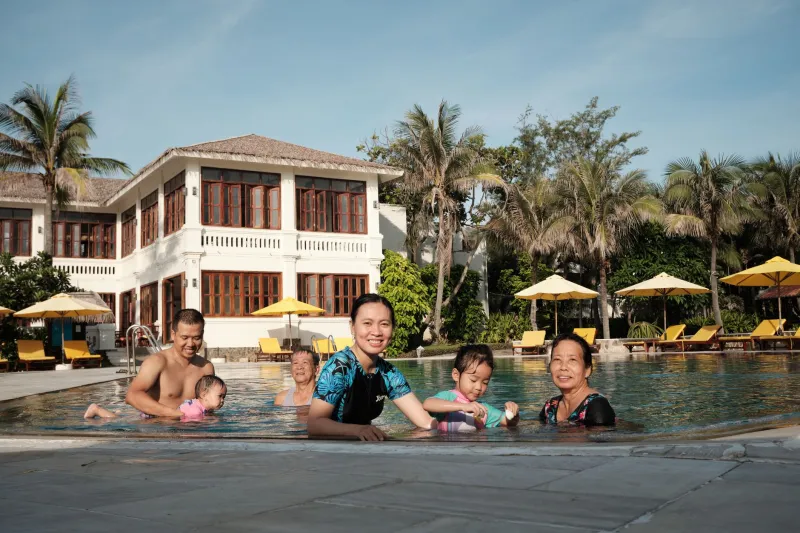
Somewhere between booking the resort trip and actually arriving at the pool deck, a quiet panic sets in for most parents. The vision was clear: lounge chair, cold drink, sun on your face, zero emails. The reality? You're perched on the edge of your seat, squinting through sunscreen-blurred eyes, trying to locate your eight-year-old in a sea of splashing strangers.
We get it. Relaxing when you're responsible for small humans in or near water is genuinely hard. But here's the thing — it's not impossible. With a little strategy and some honest self-awareness, you can actually enjoy a resort pool day instead of just surviving it. Let's break it down.
First, Drop the Guilt Trip (Seriously)
Before we get into tactics, let's address the elephant on the pool deck: parental guilt. A lot of moms and dads feel like wanting to relax at all makes them a bad parent. It doesn't. Supervision and self-care are not opposites. In fact, a frazzled, burned-out parent who's been rigid and anxious all day is less effective at keeping kids safe than a calm, present one who's actually had a moment to breathe.
Giving yourself permission to unwind isn't selfish — it's smart. Now let's talk about how to make it work.
The Buddy Family System: Your Secret Weapon
If you're traveling with another family — or you happen to strike up a conversation with a friendly crew at the resort — consider proposing a simple tag-team arrangement. One parent actively watches the kids for a defined stretch (say, 30-40 minutes), while the other genuinely clocks out. Then you swap.
This isn't about dumping your kids on strangers. It's about structured, intentional coverage that gives both sets of adults a real break. The kids usually love it too, because now they've got more playmates and fewer hovering adults interrupting their cannonball competitions.
At a full-service resort like Shiroyama, the pool environment is contained and lifeguard-staffed, which makes this kind of arrangement feel a lot more manageable than it might at a public lake or beach.
Strategic Seating Is a Game-Changer
Where you park your lounge chair matters more than most people realize. Resist the urge to grab whatever's available and instead spend two minutes scoping the layout.
Look for spots that offer:
- A direct sightline to the shallow end if your kids are younger or less confident swimmers
- Proximity to the steps or ladder so you can get in the water fast if needed
- Shade that still faces the pool — squinting into the sun for four hours is exhausting and makes it harder to track movement in the water
- Distance from the deep end if your little ones are restricted from that zone, so you're not constantly redirecting them
The goal is a position where you can do a quick visual check every few minutes without having to stand up, crane your neck, or interrupt your conversation. Think of it like setting up your workspace — the right setup makes everything easier.
Use Tech Without Becoming Obsessed With It
There are some genuinely useful tools out there for pool day supervision that don't require you to be glued to your phone. Swim safety wearables — like wristband-style alarms that trigger if a child is submerged for too long — have gotten a lot better in recent years. Brands like Swim Angelfish or the Coral detection system offer options worth researching before your trip.
That said, technology is a supplement, not a replacement. No device substitutes for actual adult attention. But if a wearable buys you five uninterrupted minutes to actually taste your lunch instead of inhaling it while standing, that's a legitimate quality-of-life improvement.
Also useful: a shared family location app if your older kids have devices. Knowing your 12-year-old is in the wave pool and not wandering the resort unsupervised is the kind of low-key reassurance that lets you genuinely relax.
Set Clear Kid Expectations Before You Hit the Water
One of the biggest sources of poolside parental stress is the constant interruption cycle — kids running back to ask permission for things, argue about snacks, or report minor social dramas. You can dramatically reduce this by having a quick family meeting before anyone gets their suit wet.
Cover the basics:
- Boundaries: Which areas are okay to use without asking? Where do they need to check in first?
- Check-in schedule: "Come find me every 30 minutes" is a simple rule that keeps you connected without requiring constant surveillance
- Emergency protocol: Where do they go if they can't find you? Who's a safe adult to ask for help?
- Snack and bathroom logistics: Can they grab something from the cooler on their own, or do they need to come get you?
Kids who know the rules are less likely to test them. And parents who've already answered the likely questions in advance field a lot fewer interruptions.
Know When to Actually Get in the Water
Here's a counterintuitive tip: sometimes the most effective supervision happens when you're in the pool with your kids, not watching from the sidelines. Especially with younger children, 20-30 minutes of engaged, in-water playtime can satisfy them enough that they're happy to play independently for a longer stretch afterward.
Think of it as an investment. You sprint so you can coast. Get in, splash around, play a round of Marco Polo, and then — when they're happily occupied with each other or new friends — peel off to your chair with their full buy-in.
Lean on the Resort's Actual Resources
This one gets overlooked constantly: resorts like Shiroyama exist to make your stay easier. That means lifeguards on duty, staff who know the property, and amenities designed with families in mind. If your resort offers kids' programming, activity coordinators, or a dedicated splash zone with attendants, use those things. They're not a sign that you're outsourcing parenting — they're literally what you paid for.
Ask at check-in what family-focused services are available. You might be surprised what's on offer that never made it onto the website.
The Bottom Line
A pool day with kids doesn't have to be a zero-sum situation where someone's always losing — either you're exhausted or they're unsupervised. With the right setup, a little coordination, and some honest communication, you can build a day that genuinely works for everyone.
Your vacation matters too. You planned it, you paid for it, and you deserve to actually feel it. Now go find that lounge chair with the good sightline and let your drink stay cold for once.